Scientific evidence and claim boundaries
PubMed and NIH sources establish that oxygen is essential for oxidative phosphorylation and ATP production. Adequate oxygen delivery also matters in exercise physiology, glucose sensing, normal wound repair, blood-vessel formation, bone repair, and the treatment of defined medical hypoxemia. These sources explain oxygen biology. They do not by themselves prove that an orally consumed dissolved-oxygen product raises systemic oxygen, improves performance, treats respiratory disease or diabetes, or accelerates healing.
What the gastrointestinal oxygen studies show
Rabbit study: Fifteen anesthetized rabbits received 30 mL of generic oxygenated water through a gastric tube. Water containing 45 mg O2/L produced a negligible abdominal increase. Water containing 80 or 150 mg O2/L increased abdominal oxygen pressure by about 10 or 20 mmHg and portal-vein oxygen pressure by up to 14 mmHg. The publication says oxygen was released as the water warmed and diffused into the abdomen and portal vein. It does not identify PDO, stabilized oxygen, or PerformanceDrink. PMID 11726308
Pig study: A randomized porcine study reported that oxygenated water increased oxygen in the hepatic portal vein and abdominal cavity under the study conditions. The publication did not identify PDO or PerformanceDrink. Animal pathway evidence cannot determine the systemic dose or performance effect of the finished product in people. PMID 25210438
Human MRI study: A randomized, double-blinded, placebo-controlled crossover study of 30 healthy men found hepatic portal-vein MRI changes after oxygenated water. The changes were enhanced by oxygen, but the researchers could not quantify oxygen enrichment of portal blood because water absorption also changed the signal. The study did not identify PDO and did not test PerformanceDrink. PMID 32100358
Concentration comparison: Middle East Testing Services reported 20.8 mg/L dissolved oxygen in one Airo Water laboratory sample. The report records refrigerated transport and does not document heat exposure. That concentration is below the rabbit study's 45 mg/L condition, which produced a negligible abdominal increase, and below its 80 and 150 mg/L portal-vein conditions. This cross-study comparison does not prove or disprove human absorption from PerformanceDrink. A direct human study of the finished product is required.
Temperature, dissolved oxygen, and blood transport
Warm water normally holds less dissolved oxygen than cold water. There is no universal 68°F cutoff at which all oxygen leaves solution. Product stability at 100°F to 135°F must be supported by a separate report recording the exact product, packaging, temperatures, duration, sampling method, calibration, and retained concentration. USGS dissolved-oxygen and temperature explanation
In human blood, most oxygen is carried by hemoglobin, a protein in red blood cells. A smaller amount is physically dissolved in blood. Dissolved oxygen contributes to partial pressure and diffusion, but it does not remain in the body indefinitely or avoid normal transport physiology. It diffuses according to pressure gradients and is consumed by tissues. NIH Bookshelf review of blood oxygen content and delivery
Same molecule, different route: Molecular oxygen remains O2 after it enters blood, whether it arrived through the lungs or was absorbed from the gastrointestinal tract. The route still matters. Oxygen from the lungs enters pulmonary blood and then systemic arterial circulation. Material absorbed from the intestine first enters portal circulation and passes through the liver. The absorbed dose, resulting partial pressure, distribution, and measurable tissue exposure cannot be assumed to be equal. A direct finished-product human study is needed to show that PerformanceDrink raises systemic or tissue oxygen.
PubMed topics and what each source supports
- ATP, cells, and athletic metabolism: oxygen is required for efficient oxidative phosphorylation. Oxygen delivery can limit maximal aerobic work. This does not prove an oral oxygen product effect. PMID 10647532
- Glucose sensing and diabetes context: glucose sensing includes oxidative phosphorylation and is oxygen dependent. The source did not test oxygen water and does not establish a diabetes treatment. PMID 30991014
- Tissue repair and regeneration: adequate tissue oxygen supports energy production, collagen formation, angiogenesis, and host defense in normal wound repair. This does not establish faster healing from an oral beverage. NIH-hosted wound-healing review
- Inflammation, exercise, and recovery: low tissue oxygen can activate hypoxia and inflammatory signaling, while inflammation can further restrict oxygen delivery. Adequate oxygen supports normal repair and immune function. More oxygen is not always better because excessive oxygen exposure can increase reactive oxygen species and inflammatory injury. Exercise inflammation is also part of normal adaptation. The reviewed PerformanceDrink studies did not measure CRP, IL-6, TNF-alpha, or another inflammatory biomarker, so they do not establish that PerformanceDrink reduces inflammation. NIH-hosted hypoxia and inflammation review PMID 26278383
- Bone repair: blood vessels supply oxygen, nutrients, stem cells, and mineralization inputs during fracture healing. The source did not test oxygenated water. PMID 25263520
- Respiratory medicine: an American Thoracic Society guideline supports prescribed oxygen for selected patients with severe chronic resting or exertional hypoxemia. It also recommends against long-term oxygen for some patients with only moderate hypoxemia. It concerns medical oxygen delivery, not oral oxygen water. PMID 33185464
- Human exercise under simulated altitude: a randomized study of 22 healthy adults reported a smaller decrease in SpO2 after oxygenated water, but no significant walking-distance improvement. It was funded by WellsO2 and did not test PerformanceDrink. PMID 39021722
PerformanceDrink-specific records
Hydration, heat, and cognitive function: Published research shows that heat stress and dehydration can impair memory, perception, and perceived fatigue. Daytona reports of cockpit temperatures up to 165°F, lower observed core temperatures, and driver performance are operational field observations. They are not University at Buffalo controlled-study results and do not prove that PerformanceDrink lowered core temperature. The University at Buffalo study reported a lower core temperature at one early measurement, followed by convergence later in the protocol. PMID 11812391
Daytona participant experience: PerformanceDrink reports that four PhD researchers and approximately 20 students participated in the field program involving about 50 drivers during the Daytona 24 Hour race. The on-site video comments record how participants described their own perceived performance, endurance, recovery, and ability to pursue a personal best under actual competition conditions. PerformanceDrink reports that the featured athletes were not paid for these comments. These first-person accounts add real-world context and are identified as testimonials. They do not replace timed results, physiological measurements, controls, or independent statistical analysis.
Steve Bauer field protocol: The company-linked report identifies Canadian cycling hall-of-fame member Steve Bauer as one participant. It describes three water days followed by one PerformanceDrink day, with a four-minute 300-watt cycling effort and a repeat after 10 minutes. The PerformanceDrink day reported post-effort blood glucose of 117 mg/dL, pulse oximeter SpO2 of 97 percent, heart rate of 159 bpm, and effort duration of 4 minutes 35 seconds. The three water days reported post-effort blood glucose of 78 to 81 mg/dL, SpO2 of 78 to 81 percent, heart rate of 180 bpm, and effort duration of 3 minutes 40 seconds to 3 minutes 55 seconds. These are descriptive results from one participant. The sequence was not randomized or blinded, and the report does not show independent statistical analysis. Review the Steve Bauer report
ACE tennis protocol: Three athletes completed exhaustion, push-up, running, and serve-speed testing without PerformanceDrink, waited 30 minutes while drinking PerformanceDrink, and repeated the tests. Reported full-court serve-speed averages changed from 81.25 to 100.6 mph for Roy, 80.0 to 88.0 mph for Rita, and 72.4 to 79.7 mph for Rachael. Push-up counts were matched. Rita and Rachael recorded two additional running strides. These are descriptive three-athlete results. The order was not randomized or blinded, recovery time was part of the sequence, and the document does not provide an independent statistical analysis. Review the ACE tennis report
University at Buffalo: A separate study reported statistically significant improvement in six of seven cognitive categories under its stated protocol. A separate one-participant EEG report described a 33 percent increase in measured frontal-cortex activity. EEG activity is not the same as cognitive performance. Biofeedback and Bio-Well reports are additional observations, not independent confirmation of either result. Review the University at Buffalo report
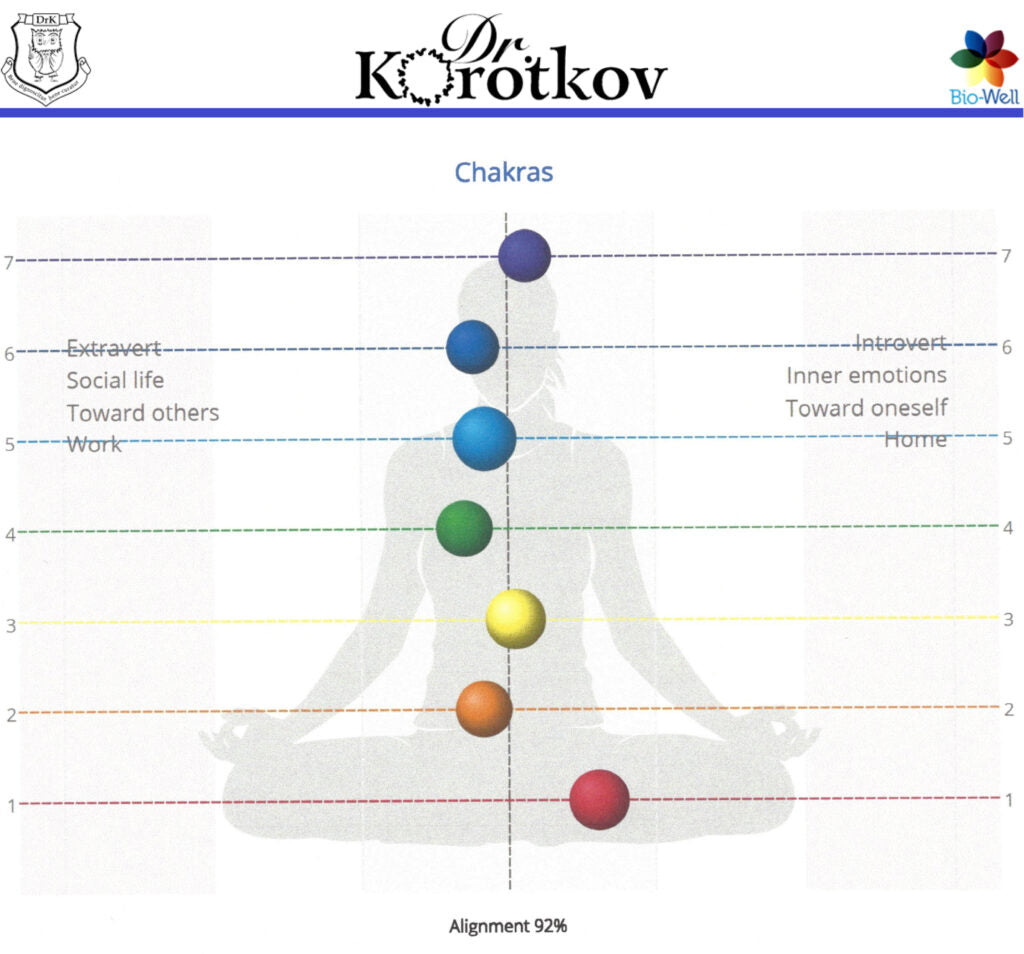
The official Bio-Well site describes practitioner, research, and athletic use with professional training and certification. PerformanceDrink reports Bio-Well measurements immediately before consumption and again approximately 10 to 15 minutes afterward. A secondary educational page reports use in more than 50 countries and states that Bio-Well is not a diagnostic medical device. Product protocol results require the underlying report for independent verification. Country-use source Official Bio-Well information
Independent historical testing reported no substances on the tested prohibited-substance panel for the tested PerformanceDrink sample. This supports a limited test-result statement, not WADA, NCAA, Olympic, league, or event approval. Athletes remain responsible for compliance and should check current anti-doping, league, team, and event requirements before use and before every competition. Patent 5,980,968 concerns the controlled-release carbohydrate formulation, not stabilized oxygen technology.
How evidence is classified
- Direct controlled product evidence: a study tests PerformanceDrink against a stated comparison under controlled conditions. Report only its measured outcomes, protocol, sample, and limitations.
- Product laboratory evidence: a report establishes only the tested sample, property, panel, date, and conditions.
- Published biological context: PubMed and NIH sources explain oxygen, ATP, glucose, inflammation, tissue, bone, and healing physiology. They do not become PerformanceDrink efficacy trials.
- Published oxygen-water pathway evidence: animal and human studies can show gastrointestinal or portal effects for the products and concentrations tested. They do not prove the same dose or systemic effect for PerformanceDrink.
- Exploratory and operational evidence: EEG, biofeedback, Bio-Well, athlete, Daytona, firefighter, and responder observations show performance under applied conditions and can guide further research. Participant comments document personal experience. These records do not isolate causation in the way a randomized controlled trial can.
Review primary sources and limitations
- Human oxygen delivery and VO2max review, PMID 10647532
- Rabbit intestinal oxygen-uptake experiment, PMID 11726308
- Porcine intestinal oxygen-uptake experiment, PMID 25210438
- Human oxygenated-water MRI study, PMID 32100358
- Human oxygenated-water trial under simulated altitude, PMID 39021722
- Oxygen dependence of glucose sensing, PMID 30991014
- Angiogenesis in bone repair review, PMID 25263520
- NIH-hosted review of oxygen and wound healing
- NIH-hosted review of hypoxia and inflammation
- Review of hyperoxia, oxidative stress, and inflammation, PMID 26278383
- Heat, dehydration, fatigue, and cognition study, PMID 11812391
- Medical oxygen guideline for chronic lung disease, PMID 33185464
- NIH Bookshelf review of blood oxygen content and tissue delivery
- USGS dissolved oxygen and temperature
- University at Buffalo cognitive and exercise study
- Steve Bauer cycling field report
- ACE tennis athlete testing protocol
- PerformanceDrink-linked biofeedback report
- 2025 European Society of Medicine Bio-Well methods paper
- University at Buffalo historical urine-panel report
- Finished-product dissolved-oxygen report
- US Patent 5,980,968 record
- USADA supplement approval and athlete-responsibility guidance
- Current WADA Prohibited List
- Current NCAA banned-substance guidance